
Working Group 1
Tools for Retina Research and Clinics
Description
WG1 focuses on the evaluation, harmonisation, and sharing of experimental and clinical tools for retinal research, including preclinical models, biological samples, imaging, biomarkers, and AI-supported diagnostics.
Tasks
Develop standardized research and clinical protocols
Compile inventories of preclinical models, biomarkers, samples, and technologies
Define image annotation guidelines for AI applications
Create centralized repositories for retinal imaging and data
Identify gaps in available tools and models
Milestones
Guidelines for standardized protocols (D1.1)
Position paper on image annotation for AI (D1.2)
Technological platform and shared repositories (D1.3)
Leaders
-
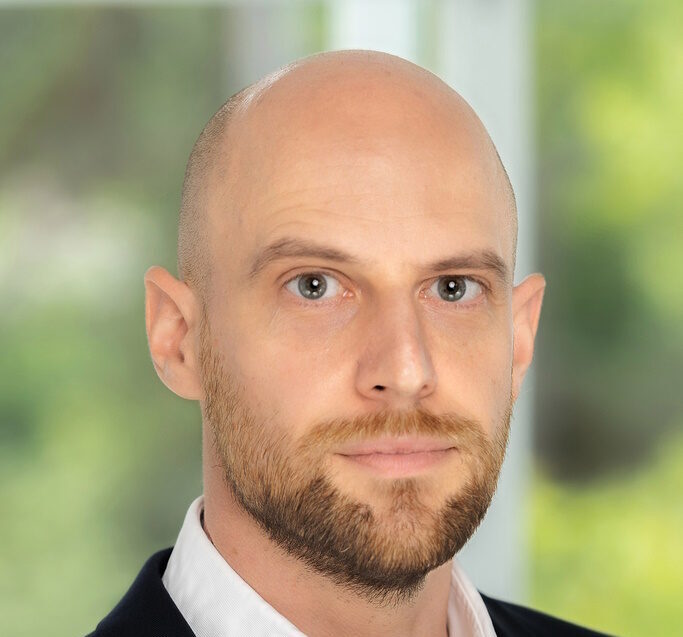
WG1 Leader
Hrvoje BogunovicMedical University of Vienna Austria
Know more
Short Bio: I studied computer science at the University of Zagreb and completed my PhD in artificial intelligence (AI) for medical imaging at Pompeu Fabra University in Barcelona. I subsequently joined the University of Iowa as a postdoc, where I started to specialize in AI for retinal image analysis. In 2015, I joined the Medical University of Vienna, where I advanced AI for retinal OCT. Since 2021, I have been leading the Christian Doppler Lab for Artificial Intelligence in Retina and in 2024, I took up an Assistant Professorship for Medical Image Computing at the AI Institute, Center for Medical Data Science. In 2024, I was awarded the prestigious ERC Consolidator Grant and in 2026, the Heidelberg Engineering Xtreme Research Award.Keywords: Medical Imaging, Retina, Artificial Intelligence, Machine Learning, OCTWGs: WG1
-
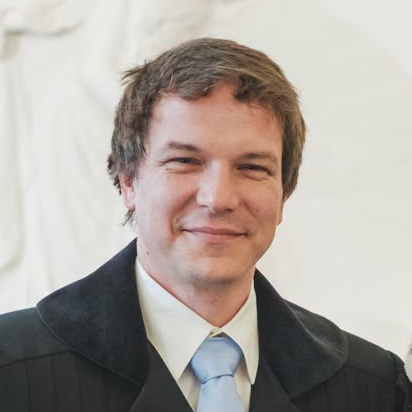
WG1 Co-Leader
Tomas BartaFaculty od Medicine, Masaryk University, Brno, Czech republic Czech Republic
Know more
Short Bio: I investigate human retinal development and disease using stem cell–derived retinal organoids and advanced in vitro models. My research focuses on how light regulates retinal maturation, circadian biology, and neuronal function, with the aim of improving the physiological relevance of organoid models for disease modelling, drug discovery, and regenerative medicine. I combine human induced pluripotent stem cells, genome engineering, transcriptomics, imaging, electrophysiology, and bioengineering approaches to study retinal development and inherited retinal diseases. I am also interested in developing open-source technologies for retinal research.Keywords: Retinal organoids, Pluripotens stem cells, Retinal and eye in vitro modelsWGs: WG1
Working Group 2
New Therapeutic Approaches
Description
WG2 advances innovative therapeutic strategies for retinal diseases, covering drug discovery and repurposing, gene and RNA therapies, ocular delivery systems, and regenerative medicine.
Tasks
Identify druggable targets and repurposable compounds
Review and advance gene and RNA therapy approaches
Map and assess ocular drug and gene delivery systems
Identify bottlenecks in advanced and regenerative therapies
Foster interdisciplinary and SME collaborations
Milestones
Review on therapeutic targets and drug repurposing (D2.1)
State-of-the-art review on gene therapy (D2.2)
Guidelines on RNA therapy targets (D2.3)
Review on ocular drug delivery systems (D2.4)
Review on retinal regenerative medicine (D2.5)
Leaders
-

WG2 Leader
António Francisco AmbrósioCoimbra Institute for Clinical and Biomedical Research (iCBR), Faculty of Medicine, University of Coimbra Portugal
Know more
Short Bio: I am a Coordinating Researcher/Full Professor at Faculty of Medicine, University of Coimbra, Portugal, and the Leader of Retinal Dysfunction and Neuroinflammation Lab. My main scientific interests are focused on retinal degenerative diseases (diabetic retinopathy, glaucoma, AMD and IRDs). I have been interested in elucidating the molecular and cellular mechanisms underlying retinal dysfunction/degeneration, paying particular attention to the role played by neuroinflammation mediated by microglial cells, cell-cell crosstalk, and neuroprotection. I have also been interested in identifying new drug targets and developing advanced therapies for retinal diseases, identifying novel biomarkers of disease, and drug repurposing. More recently, I became interested in understanding the impact of prior systemic infections on chronic retinal diseases occurring later in life.Keywords: Retinal degenerative diseases, Neuroinflammation, Microglia, Neuroprotection, Novel therapiesWGs: WG1, WG2
 Netherlands
Working Group 3
Translational Medicine and Clinical Research
Description
WG3 strengthens translational and clinical research by harmonising methodologies, improving clinical trial design, and promoting multicentre studies and clinically meaningful biomarkers.
Tasks
Harmonise preclinical and clinical study procedures
Define biomarkers and surrogate clinical endpoints
Create inventories of clinical samples and genetic data
Identify gaps and priorities for new clinical trials
Engage with regulators and HTA bodies
Milestones
Consensus review on preclinical and clinical study design (D3.1)
Position paper on retinal disease mutations and risk factors (D3.2)
Inventory of clinical samples (D3.3)
Position paper on underexplored retinal diseases (D3.4)
Consensus review on retinal phenotyping and diagnostics (D3.5)
Leaders
-

WG3 Leader
Alastair David BezzinaMinistry for Health - Government of Malta Malta
MaltaKnow more
WGs: WG3, WG5
 Croatia
Working Group 4
Economic Output
Description
WG4 focuses on translating research outputs into economic and societal impact, promoting innovation, technology transfer, and collaboration between academia and industry.
Tasks
Develop technology roadmaps for marketable solutions
Align technology maturity, IP strategy, and regulatory pathways
Promote YRI–SME collaboration and training
Attract additional SMEs to the network
Organise industry showcase events
Milestones
Consensus review on technology roadmaps (D4.1)
Periodic reports on economic exploitation of results (D4.2)
Leaders
-
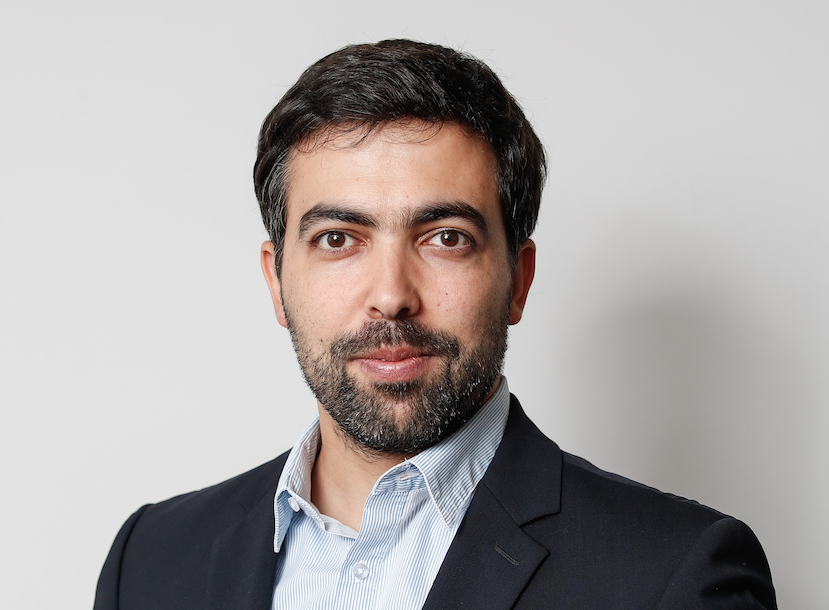
WG4 Leader
Tiago FerreiraTenpoint Therapeutics Switzerland
Know more
Short Bio: Experienced Team leader and Scientist with expertise in cell-based and gene-based therapies (CGT), drug development and delivery platform of nucleic acids for ocular diseases (front & back of the eye). Experienced in preclincial development (from idea to entering into the clinic).Keywords: Cell therapy, Gene therapy, Drug development, Stem cells, Ocular disesesWGs: WG2, WG3, WG4
-
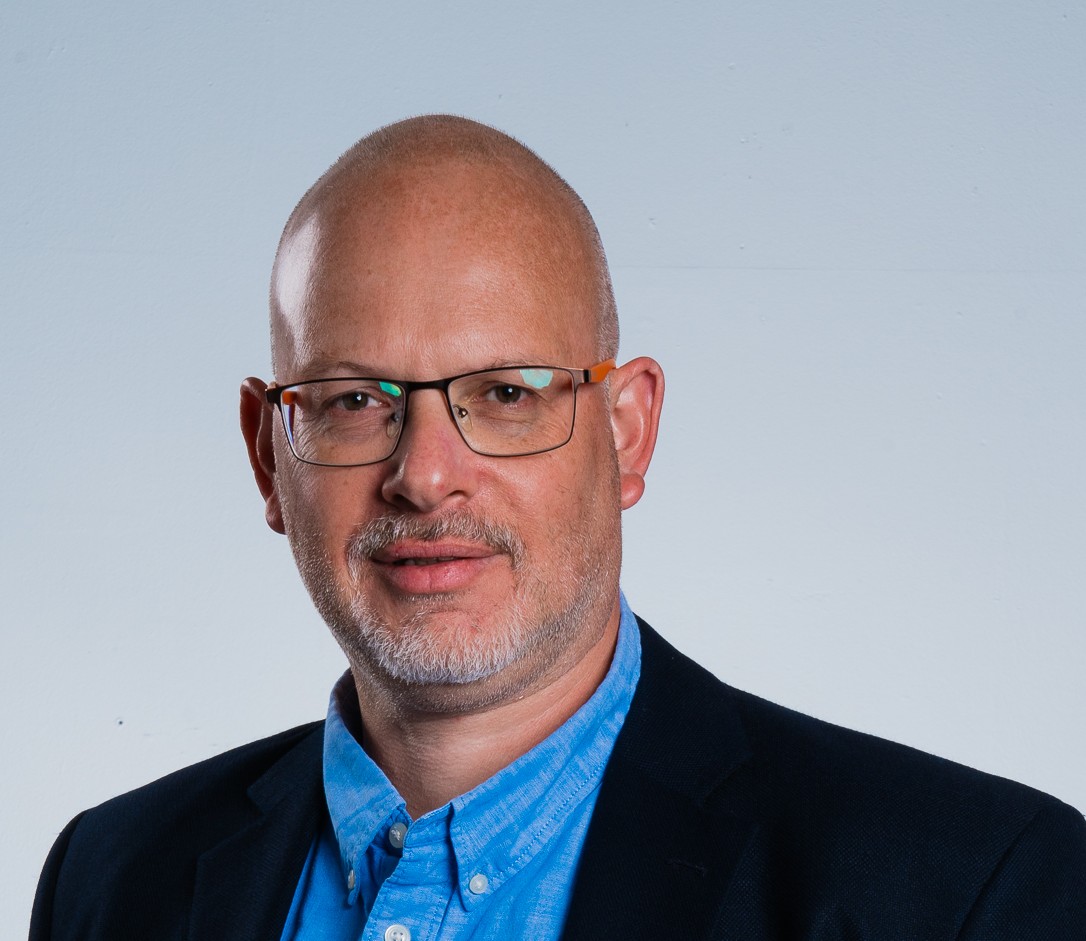
WG4 Co-Leader
Yevgeny BeidermanHolon Institute Of Technology (HIT) Israel
Know more
Short Bio: Yevgeny Beiderman received his Ph.D. in 2013 in Mathematics and Electro-Optical Engineering from Bar-Ilan University, Israel, where he also completed a postdoctoral fellowship. He has over 20 years of experience in industry and academy, holding leading scientific and engineering positions across a range of advanced technology projects. His research interests include optical remote sensing, ocular monitoring, biomedical engineering, image processing, and machine learning/AI. Dr. Beiderman is currently with the Holon Institute of Technology (HIT), Israel. He has authored more than 50 peer-reviewed publications, contributed to two book chapters, and filed eight patents. His work has been recognized with multiple international awards for the development of innovative sensing technologies.Keywords: Retinal blood flow, Optical remote sensing, Biomedical engineeringWGs: WG1, WG2
Working Group 5
Patient-Oriented Research
Description
WG5 ensures meaningful patient involvement throughout the research cycle, promoting patient-centred research, priority setting, and outcomes that reflect real patient needs.
Tasks
Involve patients in defining research priorities
Integrate patient perspectives into study design
Develop patient-reported outcome measures (PROMs)
Promote visual and functional rehabilitation strategies
Support Patient and Public Involvement and Engagement (PPIE)
Milestones
Guidelines for patient-centred study design (D5.1)
Inventory of visual and functional rehabilitation services in Europe (D5.2)
Leaders
 Ireland
-
WG5 Sub-Group Leader
Sónia SantosHumanized Solutions, Lda PortugalKnow more
WGs: WG5
Working Group 6
Community Liaison and Dissemination
Description
WG6 coordinates communication, dissemination, and community engagement activities, ensuring visibility, accessibility, and long-term sustainability of the Retina4Future Action.
Tasks
Develop and maintain the Retina4Future website
Coordinate newsletters, social media, and dissemination materials
Organise webinars, public outreach events, and Open Days
Support future European project applications
Centralise dissemination outputs from all WGs
Milestones
Dissemination & Exploitation Plan (D6.1)
Retina4Future website and continuous updates (D6.2)
Quarterly newsletter (D6.3)
Thematic webinars and public outreach events (D6.4–D6.5)
Leaders
-

WG6 Leader
Elena MilanesiVictor Babes National Instituite of Pathology Romania
Know more
Short Bio: I am a medical biotechnologist, Senior Scientific Researcher at the National Institute of Pathology and Biomedical Sciences “Victor Babeș” (INCDVB), and Assistant Professor at Carol Davila University of Medicine and Pharmacy, Bucharest. My research focuses on molecular genetics, genomics, and biomarker discovery in non-communicable diseases, particularly neurodegenerative, cardiovascular, and age-related disorders. I have extensive experience in translational biomedical research and the application of omics technologies to advance precision medicine.Keywords: Translational research, Molecular genetics, Biomarkers, Non-communicable diseasesWGs: WG3, WG6
-
WG6 Co-Leader
Jana JaksicFaculty Of Medicine, University Of Belgrade Serbia
Know more
WGs: WG1, WG3