Issue 2, April 2026
Stay Connected with Our COST Action!
We are excited to share updates, news, and insights from our Action with you. Stay informed about our activities, events, and outcomes by following us on social media:
Follow us and share our posts with your network to help spread the word and engage more researchers, stakeholders, and enthusiasts in our community. Let’s grow our COST Action network together!
Highlights from the 1st Retina4Future Scientific Meeting
Lisbon, Portugal | 12–13 March 2026
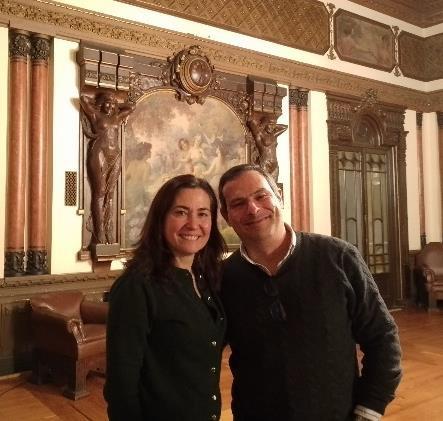
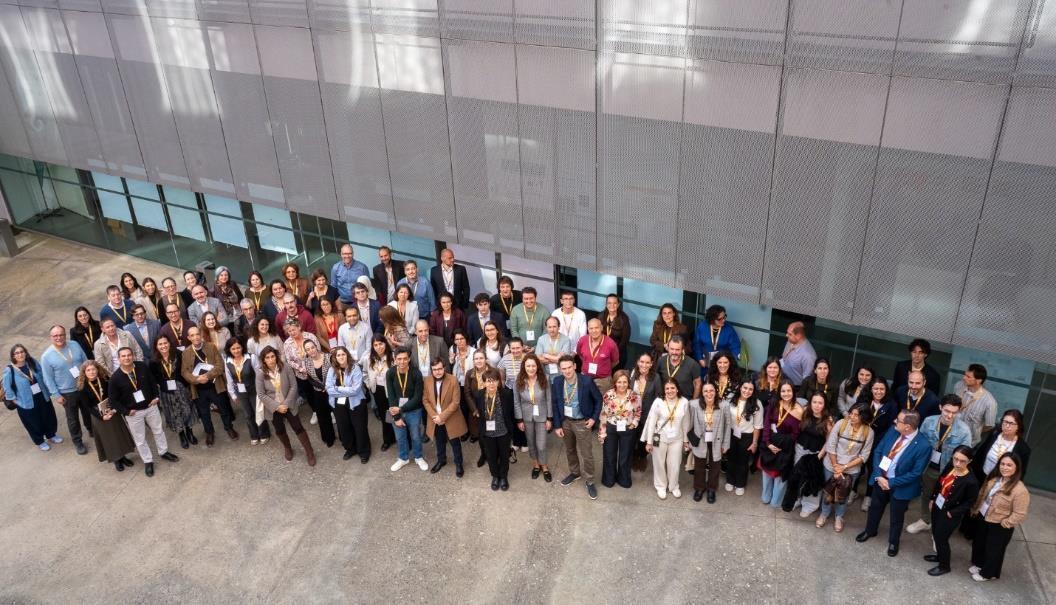
The Retina4Future COST Action successfully held its 1st Scientific Meeting in Lisbon, bringing together 82 researchers, clinicians, innovators, and patient representatives from across Europe and beyond. The event, which was held at NOVA Medical School, was a significant turning point in the development of a cooperative network devoted to advancing translational retinal research.
The Action Chair and Co-Chair greeted everyone and established the agenda for the two days of impact, creativity, and collaboration. Participants engaged in a stimulating program centered around key themes that aligned with the Action’s objectives.
Innovative Models and Tools for Retinal Research
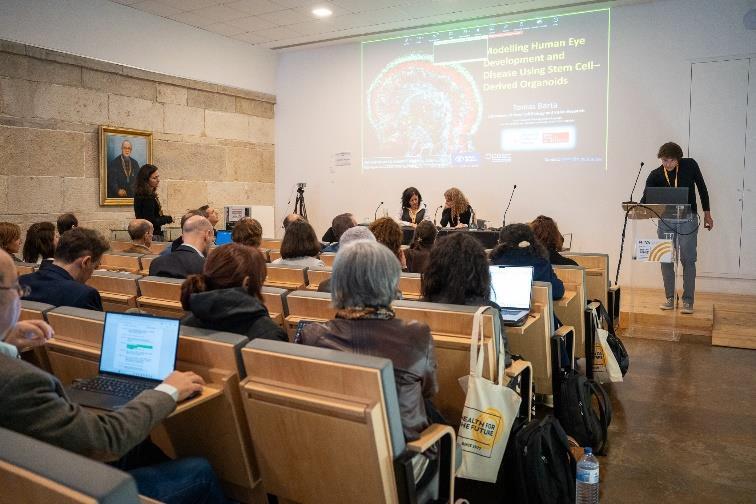
The first sessions featured state-of-the-art methods in retinal research, such as organoids derived from stem cells, in vitro and animal disease models, and new molecular approaches to neuroprotection. Presentations emphasized how combining computational and experimental tools, including mathematical modeling, can enhance our knowledge of retinal disorders and aid in the development of treatments
The Rise of AI and Imaging in Ophthalmology
The increasing significance of advanced imaging technologies and artificial intelligence was examined in the second session. Speakers gave examples of how AI-driven analysis of retinal images can enhance biomarker discovery and early diagnosis, especially in diseases like diabetic retinopathy. The field’s quick technological development was also demonstrated by advancements in imaging methods and robotically assisted surgery.
Toward therapies for the next generation
The second day was all about new ways to treat diseases, such as antisense oligonucleotides for Stargardt disease, gene-based therapies, and new ways to deliver drugs. The talks focused on promising strategies for treating glaucoma, age-related degeneration, and inherited retinal diseases. They also stressed how important personalized medicine is becoming. There was a lot of talk about translation, with sessions looking at how discoveries make their way from the lab to the clinic through improvements in stem cell therapies, tissue engineering, and clinical applications. Speakers gave useful information about ongoing efforts to bring new treatments into real-life clinical settings.
Bringing together patients, businesses, and new ideas
The program also included perspectives from the business world to illustrate how scientific discoveries can be translated into useful medicines. Talks stressed how important it is for academia and biotech to work together and have clear paths to commercialization. Also important was the active involvement of patient groups, which showed how important it is to include patient views in setting research priorities, designing clinical trials, and planning care. An interactive workshop on Patient and Public Involvement and Engagement (PPIE) strengthened the idea of co-creation in research.
The meeting wasn’t just about science; it also helped people connect through social events, poster sessions, and informal talks. This made the Retina4Future community stronger and opened the door to new partnerships.
“Thanks to all participants, the first scientific meeting was a success, highlighting Retina4Future COST Action’s strong momentum and commitment to collaboration in advancing retinal research“
Important meetings!
Gene and Cell Therapy of Neurodegenerative and Eye Diseases
An international conference on Gene and Cell Therapy of Neurodegenerative and Eye Diseases will take place on 11–13 November 2026 at the Liblice Castle Conference Centre (Czech Academy of Sciences).
The event will highlight advances in animal models and innovative therapeutic approaches for both neurodegenerative and retinal diseases. Key topics will include Huntington’s and Alzheimer’s diseases, ALS, and retinal conditions such as Usher syndrome, Stargardt disease, and age-related macular degeneration. A special focus will be placed on gene and cell therapies as emerging treatment strategies. The conference will bring together Czech and international experts while offering valuable learning and networking opportunities for early career researchers and students.
Contact person: Ing. Zden ka Ellederova , Ph.D., Institute of Animal Physiology and Genetics, Czech Academy of Sciences. Email: ellederova@iapg.cas.cz
Regenerative Ophthalmology for Retinal Disorders
A one-day international conference on Regenerative Ophthalmology for Retinal Disorders will be held on 24 April 2026 in Venice, Italy.
Organized by the Fondazione Banca degli Occhi del Veneto ETS, with the patronage of the European Eye Bank Association, the event will bring together researchers, clinicians, and industry experts to explore the latest advances in regenerative medicine for retinal diseases, including age-related macular degeneration.
The meeting offers an excellent opportunity for knowledge exchange and networking within the retinal research and clinical community.
Website: https://icongresseventi.it/en/2026/02/05/regenerative-ophthalmology-for-retinal-disorders/
The XXVII Biennial Meeting of the International Society for Eye Research
The XXVII Biennial Meeting of the International Society for Eye Research will take place in Valencia, Spain, from 23–27 August 2026, bringing together leading experts to share the latest advances in vision science. Among the highlighted topics is “Modeling retinal injury in organoids: Uncovering the regenerative potential of Müller glia,” reflecting cutting-edge
research into retinal repair and regeneration. Participants are encouraged to contribute their work and engage with this dynamic field by submitting abstracts and registering in advance. Key deadlines: 15 April for abstract submissions from travel fellowship applicants, 27 May for all other contributions, and 3 June for early registration.
Website: https://iserbiennialmeeting2026.org/?utm_source=chatgpt.com
Courses and Workshops!
We are pleased to remind you of an exciting FEBS-funded Advanced Lecture Course organized by Henri Leinonen. The event “Retina in a dish: Methods & applications in life sciences” will take place from 8 to 12 June 2026 in Kuopio, Finland. Several members of our COST Action will be participating as speakers. This course offers an excellent opportunity for members to engage with cutting-edge methodologies in retinal research and explore potential applications in the life sciences. We encourage COST Action members to consider potential synergies with the course, such as dissemination support or other collaborative activities, and help spread the word within the network. Visit: https://retinaexvivo2026.febsevents.org/
The EMBO Workshop “Proteostasis Shaping Health Span: From Protein Folding to Failure” will take place from 09–13 November 2026 in the scenic coastal town of Ericeira, Portugal. This international meeting will bring together leading researchers to explore the fundamental role of proteostasis in health and disease, spanning mechanisms of protein folding, maintenance, and breakdown. Organized by Sandra Tenreiro, Sivan Henis-Korenblit, Deepika Vasudevan, and Paula Ludovico, the workshop promises a dynamic program of cutting-edge science, collaboration, and discussion. Further details, including the official website, will be available soon.
2nd Retina4Future Scientific Meeting!
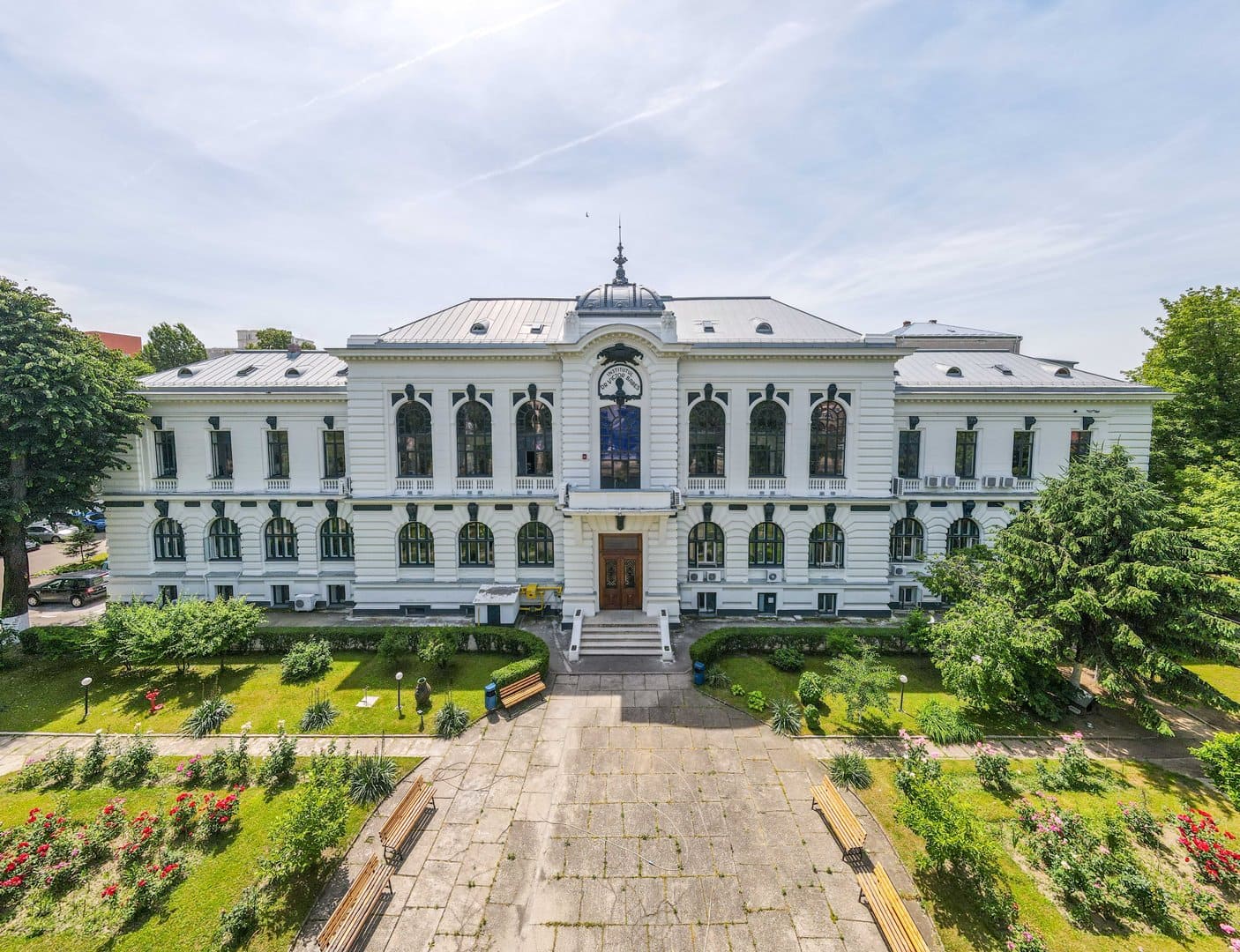
The 2nd Scientific Meeting of Retina4Future will take place on 24–25 September 2026 in Bucharest, hosted at the historic National Institute of Pathology “Victor Babes .” Founded in 1887 as Romania’s first biomedical research institute, the venue provides a distinguished setting for this important meeting. The program will begin on 24 September with a hybrid Management Committee Meeting, followed by the in-person scientific sessions on 24–25 September. Further information will be provided soon.
Elena Milanesi, WG6 Leader
Victor Babes National Institute of Pathology, Romania.